The viability of a mine is simple to calculate. If the revenue is greater than the cost of producing then it's viable. We work out the mine life by adding up the quantity of product that is viable. This is usually done in today's dollars as it is assumed that both commodity prices and costs will inflate equally with time.
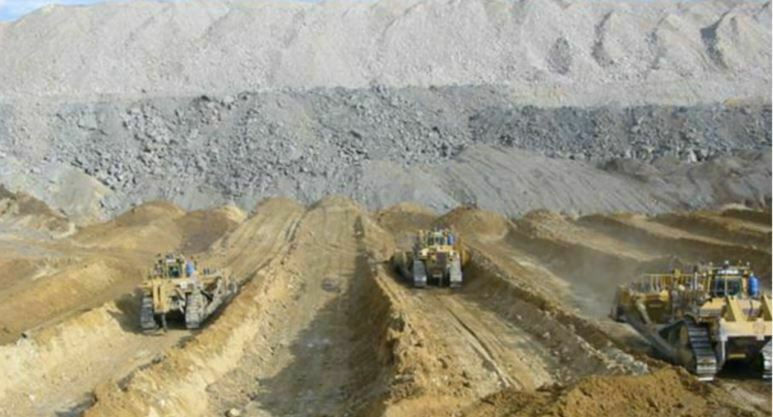
Use a production blade. Spade blade and Komatsu IMac blades increase production by up to 20% compared to standard U blades.
Optimise your design for push productivity in 3D. This often improves productivity by 25% in rehab and by up to 15% in production dozing. 3D Data Guidance make software that does this.
…
Time tends to claw back the pursuits of people, eventually weathering and ageing our infrastructure. Time is however our friend when it comes to mine rehabilitation. Fresh mine voids and spoil dumps are ugly, however, it would be a mistake to assume that what you see today is what it will look like in 100 years. The forces of nature are powerful when it comes to reclaiming a mine site back to nature. I tour a lot of mine sites and much of the time I can't tell which areas of scrub are rehabilitated spoil and which areas have not been mined.
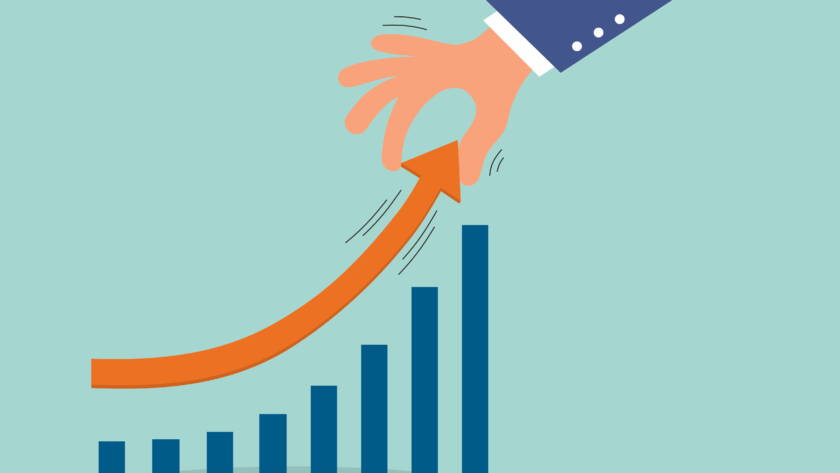
I am often engaged by mining clients to recommend ways to improve profitability.
While there are countless things that you can do, here are my top 5:
I have recently started riding my bicycle into the city each day for work. The motivation is a mixture of getting fit and saving money. I am now saving a lot of money on parking and fuel for the car, however it has become apparent that running a bicycle is not free. Basically, all the exercise makes me bloody hungry and people fuel is relatively expensive per unit of energy content compared to car fuel. A week of driving to and from work would use around 15 litres of diesel and cost around $20.
So coal prices have gone bananas but there is a lot of conjecture about whether this run will last or fizzle out. The choice is to react and increase production or sit tight?
The saying goes that nice guys finish last and for the early part of my career, this used to really bug me. I was only good at being nice and my conscience would usually stop me from doing mean things at the frequency that I thought might be required to get ahead. With the passing of time it is now clear that the saying is not true. I have seen a few not so nice guys come and go. On balance the vast majority did not get ahead and many matured a little and snapped out of being mean because it wasn't helping their cause.
Everyone has been pleasantly surprised by the recent run up in the metallurgical coal price. From around $82 per tonne - where commentators were saying it would remain for the next decade, it has shot up spectacularly to over $200 per tonne for premium hard coking coal. Now I'm sure that it will retreat somewhat from the latest run, but my view is that the long term is looking bright for premium metallurgical coal producers.
Every time I turn on the TV these days there is an evil, greedy mining corporation killing, maiming and polluting in the ruthless pursuit of money. So allegedly, according to TV, mining companies are plundering away unchecked at everyone’s expense. The themes vary from the heartless interplanetary miners in Avatar, Alien and Moon, to the idolisation of crooks that rob gold mines such as in the Point Break remake. At least mining got the last say on Point Break, because the movie’s plot was very ordinary to say the least.
When a mine starts up, the approvals process demands that a plan is developed to rehabilitate the mine progressively and at closure. At approvals stage, there is little appetite to slow down the already lengthy and cumbersome process with complicated rehabilitation planning. This tends to see mine developers prefer to adopt a safe solution for post mining land use that conforms with the industry norms, rather than take risks to achieve a better outcome. That sees most companies nominate grazing as a post mining land use, since its easy to grow grass and cows eat it. Not much risk in that.
Right now, nobody wants to spend any capital on anything, it's that stage of the cycle. Diesel is cheap and skills are readily available, so why spend money? Well, now is the right time to spend up big.
With the exception of gold projects, large mineral deposits require bulk product transport infrastructure to get the product to market. On average they say it takes 30 years from discovery to development for a large mineral deposit. Most of this time is taken up building certainty and gaining the approvals required in order to build enough confidence to invest the capital. At any one time there are lots of projects that are waiting for certainty around the infrastructure and in many cases there are whole mineral regions that remain undeveloped.