What does it take to move into a leadership role, and how can you lead well once you’re there?
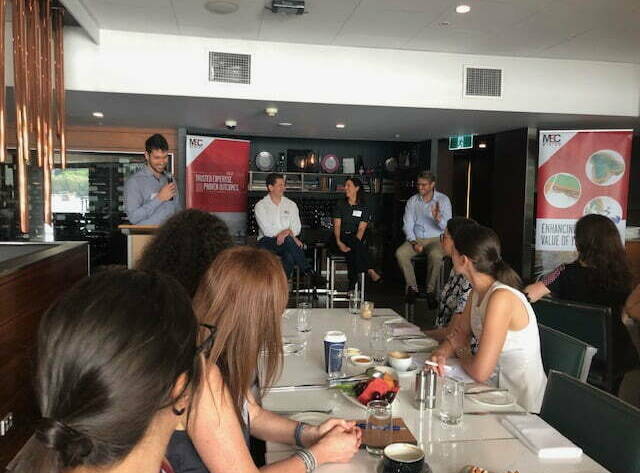
MEC’s event with Women in Mining and Resources Queensland (WIMARQ) delivered fascinating insights from a panel of mining professionals to an audience of technical experts – mostly women – on 15 February.
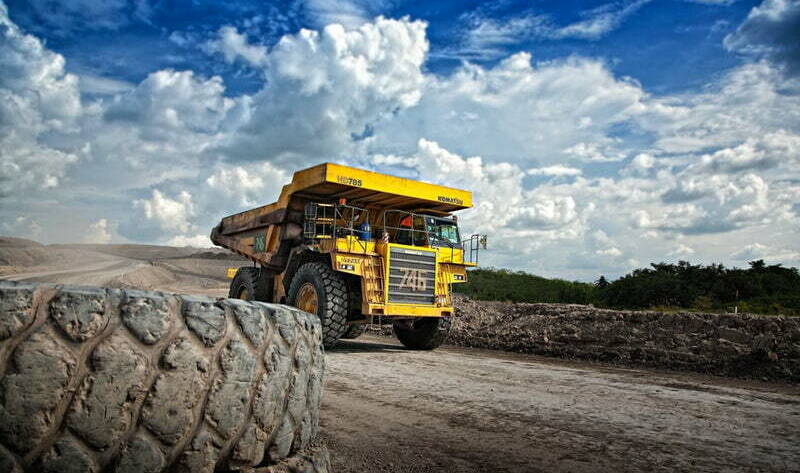
[vc_row][vc_column][vc_column_text]Some of the machinery used on mine sites today is staggering in size. Take a look at some of the giants of mining.
[wpc_custom_heading heading="Bucket-wheel excavator: Bagger 293" colored_line="yes"][vc_column_text]Bucket-wheel excavators are described by the folks at Guinness World Records as “mechanical behemoths that churn up the earth”. These machines have a huge wheel at the front that rotates, turning buckets that scoop up earth then drop it on a conveyor belt.
In an open cut mine, bulk dozer push can be one of the most cost-effective methods of moving overburden. Under the right application, the unit cost of dozer push sits somewhere between a dragline and truck/shovel excavation. So, if geotechnical conditions are favourable and the dozer fleet is sufficient, dozer push should be considered to replace some of the truck/shovel prime. Dozer push can also be used to replace dragline prime. This is because it can speed up the linear progression of the dragline - which in many cases will lower the dragline unit cost rate and increase coal uncovery.
Commodity prices are rising and mining activity is ramping up, which means more jobs are becoming available in Australia’s resources sector. Here’s how to capitalise on the widely reported mining skills shortage and secure the job you want.
Do your research
This is a prerequisite for any job-seeking process really, but it’s especially pertinent for a sector that has seen so much turbulence in recent years.
What words and phrases commonly appear in your company’s job ads? And what do they reveal about your organisational culture? David Drew, Principal Mining Engineer at MEC reflects on hiring language in our industry.
What does ‘hiring language’ tell us?
On Thursday 21 June, MEC’s General Manager - Operations, David Plowman, will sleep out on the longest night of the year on the cold, hard concrete of Brisbane’s Powerhouse as part of the Vinnies CEO Sleepout®. It is David’s first time taking part in the annual event which has been supported by MEC since 2015.
We’re pleased to share the news that we’ve joined other high-profile Australian companies as a WORK180 (previously known as DCC Jobs) endorsed employer for women.
WORK180 is a job platform where employers are pre-screened to ensure they support women’s careers. Founded by Gemma Lloyd and Valeria Ignatieva, WORK180 only advertises jobs for companies that meet criteria on aspects such as paid parental leave, pay equity and flexible working. This allows women to search and apply for jobs with the assurance that each employer listed on the site supports women.
Technological innovation has blessed us with many wonderful, modern gadgets, but have you ever considered what metals and minerals are used to power them?
Take the example of your mobile phone – most people are inseparable from their beloved iPhones these days (guilty as charged) – and these amazing gadgets are virtual gold mines. Well, not quite.
Many important metals and minerals are now used in your mobile phone’s electronics to enable high-speed performance and data, improved video and gaming and a more vivid and detailed screen.
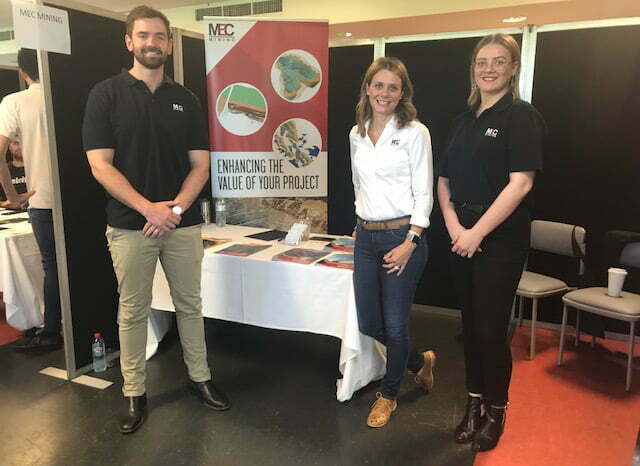
Once again, this year we showed our support for the engineers of tomorrow by attending The University of Queensland Engineering Undergraduate Society (UQ EUS) Careers Fair on 1 March 2018.
Current commodity prices and ever-increasing competition between mining operations dictate a cost effective, achievable and well-presented mining sequence. MEC was approached by an open cut iron ore mine to optimise their detailed mining sequence. The solution proposed by MEC and implemented by the client enabled the operation to mine more efficiently, preventing costly errors and delays in production.