As much as I hate to admit it, I’m a millennial. I am driven by the desire to feel like I’m contributing, adding value, respected. All admirable qualities, but as anyone who has employed a millennial knows, there is a down side. I, like many of my cohort, have left employers in the lurch, just as I’m starting to fit into their grand plans, I’ve gone and put my notice in, like a 25th minute red card, forcing a backline reshuffle.

Our MEC General Manager, David Plowman, is giving the booze the boot this month to help Aussie kids.
Owning and leading a business for over 10 years has taught me a thing or two about interviews and has certainly sharpened my intuition for picking the best candidates. During the 10 years we have hired over 150 people, interviewed around 1,000 people face to face and screened at least 5,000 candidates. So what has been so special about the 3% of people that have applied to us that we actually employed?
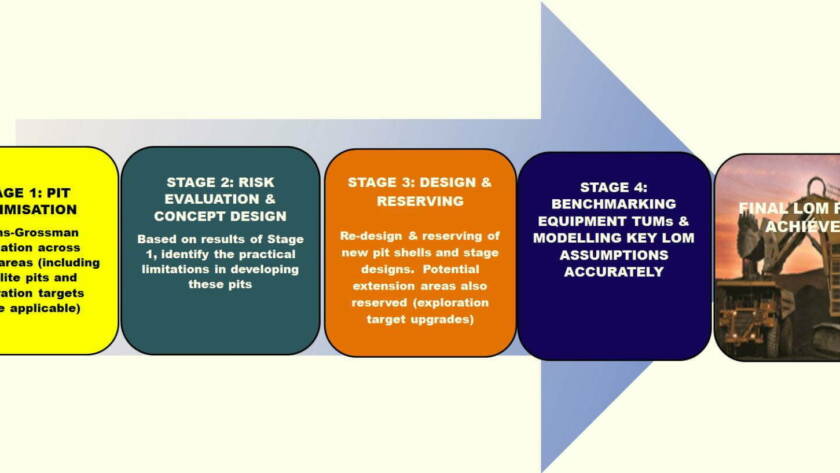
MEC was engaged by ASX-listed Company operating an open cut metal mine in northern Europe to undertake a full review of their deposit and to produce a Life of Mine Plan (LOM). The goal of the project was to produce a plan that was to be both sustainable and achievable, while maximising economical mining reserves and confidence.
BHP’s commitment to seeking out excellence in mining and setting itself an aspirational goal of achieving a 50/50 gender balance by 2025 company-wide, has recently reached an impressive milestone. New figures show that women now make up a fifth of its 26,000-strong workforce, an increase of 3 percentage points in the year to June 2017 (Hume, 2017).
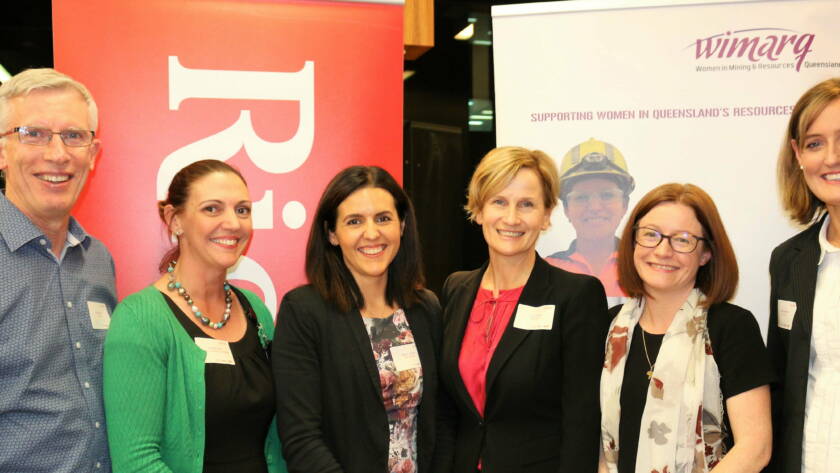
In light of this inspiring achievement, MEC General Manager of Strategy and Business Development, and Committee Chair of Women in Mining and Resources Queensland (WIMARQ), Maria Joyce reflects on not only the benefits of a diverse workforce, but also the challenges that are likely to accompany these ambitious aims.
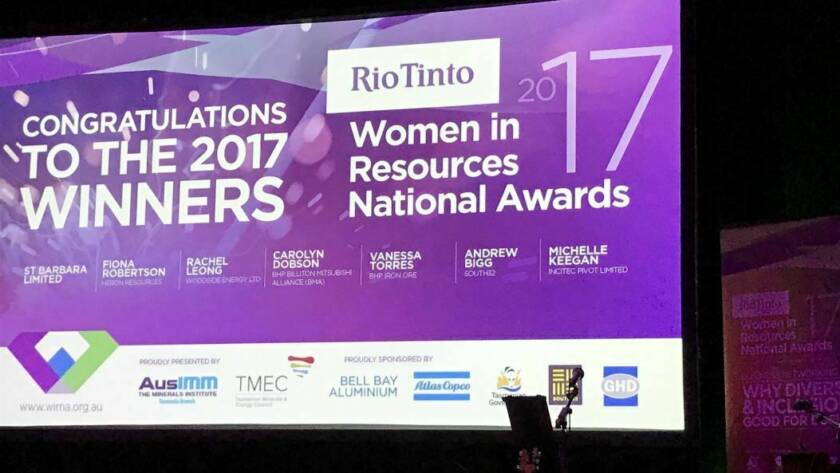
MEC General Manager of Strategy and Business Development, Maria Joyce, attended the Women in Resources National Awards (WIRNA) dinner in Launceston, Tasmania in her capacity as Committee Chair of Women in Mining and Resources Queensland (WIMARQ) last Thursday 31st August 2017.
MEC welcomes the return of Chris Catania to the MEC team in the role of Principal Mining Engineer. In his role he will manage the MEC Projects team and be a key member of our leadership team.
Chris previously worked with MEC as a Team Leader in the Brisbane office and returns to us after two years working for Kaz Mineral’s at their Aktogay Copper Mine in Kazakhstan. During Chris’s tenure as the Planning Superintendent in Kazakhstan he managed a large mining engineering team and was responsible for the development of mine planning processes and systems.
Markets are funny beasts, the moment you think you have it figured out, something comes along that makes you rethink your strategy.
Mike Tyson once said “Everyone has a plan ‘till they get punched in the mouth” The dynamic nature of the mining industry makes it not to dissimilar to boxing, in FY12 we got the first uppercut which sent us into a tail spin and for some it was a TKO. The strong ones staggered back to their feet and kept slogging away for a few rounds. FY17 saw the second uppercut come along as a wakeup call to get moving again.With over 4 years industry experience, Lachlan McInnes is a Mining Engineer with solid operational and technical skills in short term scheduling, land haulage scheduling and mine design across a suite of software, including Deswik (CAD, Scheduler & LHS), Minescape, 3D-Dig, and XACT. He has trained many Graduate Engineers using his expert Minescape and Deswk design package knowledge.
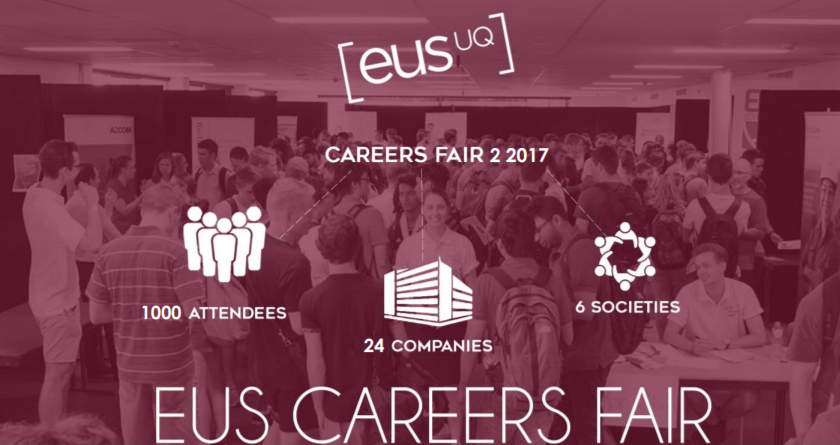
MEC will be at The University of Queensland Engineering Undergraduate Society (UQ EUS) Careers Fair on Thursday 27 July to meet with students.
MEC’s Senior Underground Consultant, Geoff Watson, recently delivered multiple production scenarios to support a strategic business decision. Faced with “Board Level” time frames, Geoff developed and updated mine plans, assumptions and schedules for three principle scenarios over a four week timeframe. Additionally, developing six incremental opportunities for reserve optimisation and LOM planning.