Hi, my name is Simon and I am a recovering engineer. It has been 8 years since my last design and I am proud to say I haven’t fallen off the wagon, yet. Having graduated from engineering 22 years ago I spent a good portion of my career in the ‘doing’ roles of operational engineering and absolutely loved it.
Written by Alessandro Dotta - Underground Metals Lead and Principal Mining Engineer at MEC
So, your operation is well-staffed with qualified, trained employees. Your people are pretty committed to a particular project, and everyone seems to be pulling in the same direction. Yet, despite this, you’re not making the advances you’d like to see; there’s progress but the rate is frustratingly slow or the results minimal. You may have considered engaging the services of a technical consultant then dismissed the idea because, well, your team already has plenty of expertise.
When it comes to mining, the mindset has often been to move larger volumes of material as quickly as possible to reduce process unit rate. While material movement is obviously very important, it can drive the wrong behaviours if the wrong material is being moved to prioritise volume movement over production requirement. This is likely to destroy value for an operation by lowering overall production yield – the number one value driver.
The last mining downturn left us with a shortage of mining engineers, and the effects of this are far-reaching. Not only does the industry need to continue to focus on encouraging young people back, but graduate engineers who are at the beginning of their careers are facing a different trajectory of learning while they’re on the job.
COVID-19 has profoundly affected the lives of many worldwide and has resulted in many organisations implementing shifts to ensure business continuity. Whilst we endure through these challenging times, it is vital to ensure your team are continuing to connect.
Today’s challenging business environment means everyone is short-staffed and under the pump. Pushed to their limits, it’s very hard for business owners to be innovative and challenge the status quo, when they’re constantly “fire-fighting”.
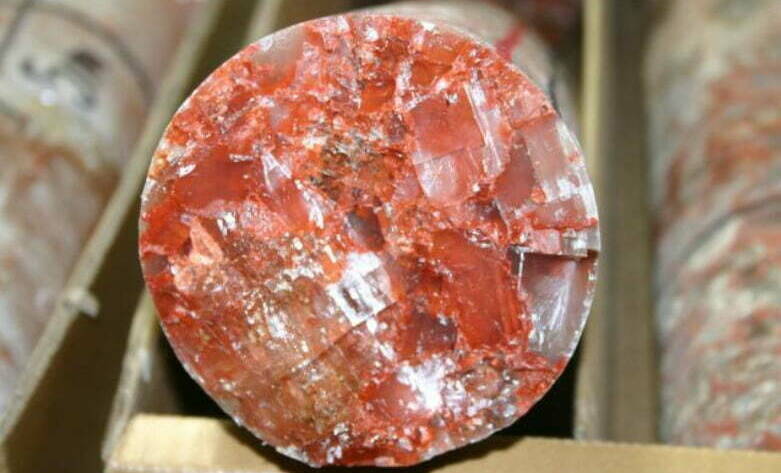
Potash is the general term for potassium bearing minerals. It was named after the extraction process used in the pre-industrial era when wood ashes were immersed in water and leaching took effect. When the solution evaporated sediment of potassium carbonate was left behind on the inside of the large iron pots. Potassium is a highly reactive alkaline metal and is not found in isolation in nature. It readily forms compounds in the form of chlorides, nitrates, carbonates, bromides, cyanide, sulphates and hydroxides. Known by its chemical name K, potassium is an essential element to both plant and human life.
If you type the words mining engineer into LinkedIn and limit the location to Australia the search shows around 5,700 people. Not that many when you consider the scale of the Australian mining industry. This is just enough people to fill 11% of Suncorp Stadium or only 6% of the MCG. It is little wonder that as the industry heats up we are all struggling to find resources from such a small pool of people. It does, however, raises some interesting questions:
We hear you. It can be so hard to feel connected to your loved ones when you’re hours apart and missing out on events, catch-ups and quality time with them.